If you have a chance to travel Vietnam, you should not miss Ha Giang – a beautiful region in the northernmost mountains of Vietnam. Known for its breathtaking landscapes, diverse ethnic cultures, and thrilling motorbike routes, Ha Giang has quickly become a must-visit destination for those seeking an off-the-beaten-path experience. In this Ha Giang travel guide, we will provide you with everything you need to know before your journey, all from our personal experience.
Introduction to Ha Giang
Geographical Location

Ha Giang is situated in the far north of Vietnam, high in the mountains bordering China, around 6 hours from Hanoi. It is known for its dramatic mountain ranges, deep valleys, and lush green hills that stretch as far as the eye can see. The province’s remote location makes it one of the least commercialized travel destinations in Vietnam, offering a raw and unspoiled beauty that is hard to find elsewhere.
Natural Landscape

The landscapes of Ha Giang are characterized by steep limestone cliffs, winding mountain passes, and terraced rice fields that change color with the seasons. The most famous scenic route is the Ha Giang Loop, which offers panoramic views of the Dong Van Karst Plateau Geopark and Ma Pi Leng Pass. The Nho Que River, cutting through deep canyons, also adds a poetic sense to the province’s breathtaking scenery, making it a dream destination for photographers and nature enthusiasts alike.
Cultural Immersion

Ha Giang is home to over 20 ethnic minority groups, including the Hmong, Tay, Dao, and Lo Lo people. Each community has its own unique traditions, clothing, and way of life. Visitors to Ha Giang can have the opportunity to engage in local homestays operated by them, witness traditional weaving and embroidery in their craft villages, and take part in their seasonal festivals. The cultural richness of Ha Giang provides a unique and enriching travel experience that goes beyond just sightseeing.
Top Attractions in Ha Giang
From a local perspective, here are some best locations we recommend you to visit in this Ha Giang travel guide:
Ma Pi Leng Pass

Ma Pi Leng Pass is regarded as one of the most beautiful mountain passes in Vietnam. The pass stretches for 20 kilometers, offering the full views of the rugged limestone peaks and deep valleys below, especially the beautiful Nho Que River. Adventurous travelers often choose to ride along the pass by motorbike, enjoying the thrill of navigating its winding roads. However, the road can also be quite challenging, so some tourists also choose to embark with cars and local drivers.
Dong Van Karst Plateau Geopark & Dong Van Ancient Town

The Dong Van Karst Plateau Geopark is a UNESCO-listed site known for its stunning limestone formations and rich cultural heritage. Within the geopark is the Dong Van Ancient Town, a historical area featuring old houses with Chinese and French architectural influences. The town comes to life every Sunday with its vibrant local market, where ethnic communities gather to trade goods and socialize.
Tha Village

Tha Village, located near Ha Giang City, is a picturesque settlement home to the Tay ethnic group. The village is known for its traditional stilt houses, rice fields, and peaceful atmosphere. Staying in Tha Village offers visitors a chance to experience authentic rural life in Vietnam.
Lung Cu Flag Tower
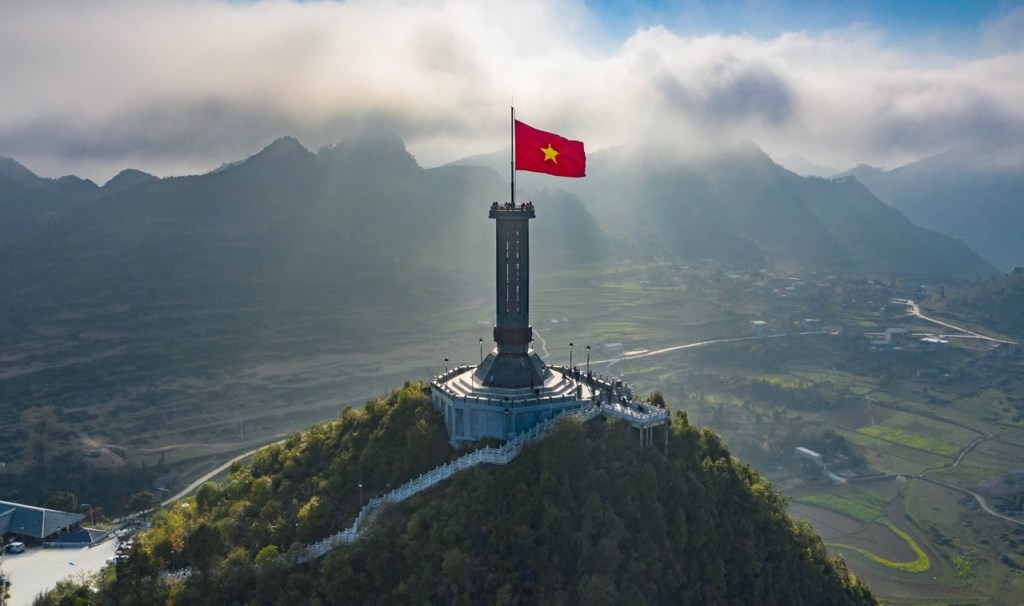
Marking the northernmost point of Vietnam, the Lung Cu Flag Tower symbolizes the country’s sovereignty. The tower sits atop a hill, and visitors must climb 389 steps to reach the top. From there, they are rewarded with breathtaking views of the surrounding mountains and the Chinese border.
Khau Vai Love Market
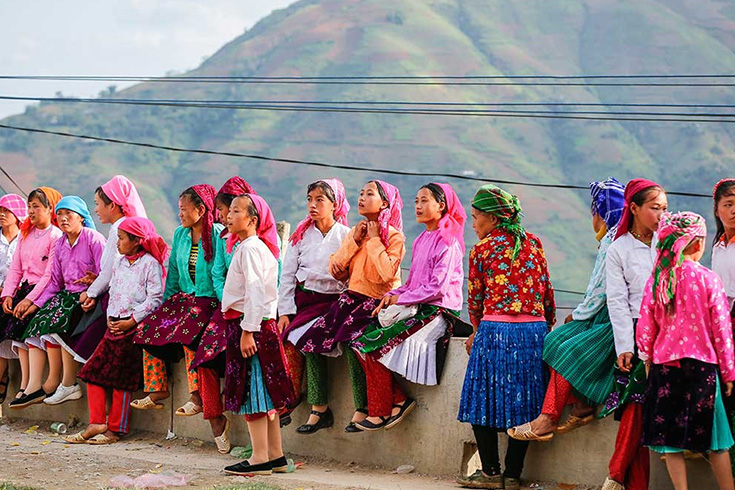
Held once a year, Khau Vai Love Market is a unique cultural event where ethnic minority people gather to reconnect with past lovers, make new friends, and enjoy traditional music and food. The market has been held for over a century and remains one of the most fascinating cultural experiences in Ha Giang.
Ha Giang Museum

For those interested in the history and culture of Ha Giang, the Ha Giang Museum offers a collection of artifacts, photographs, and exhibits about the region’s ethnic groups and historical events. It provides valuable insights into the local way of life and heritage.
Hmong King Palace

The Hmong King Palace, also known as the Vuong Palace, was once the residence of a powerful Hmong leader. The palace showcases a blend of Chinese, French, and Hmong architectural styles. Visitors can explore its courtyards, wooden carvings, and historical artifacts that tell the story of Ha Giang’s past.
Nho Que River
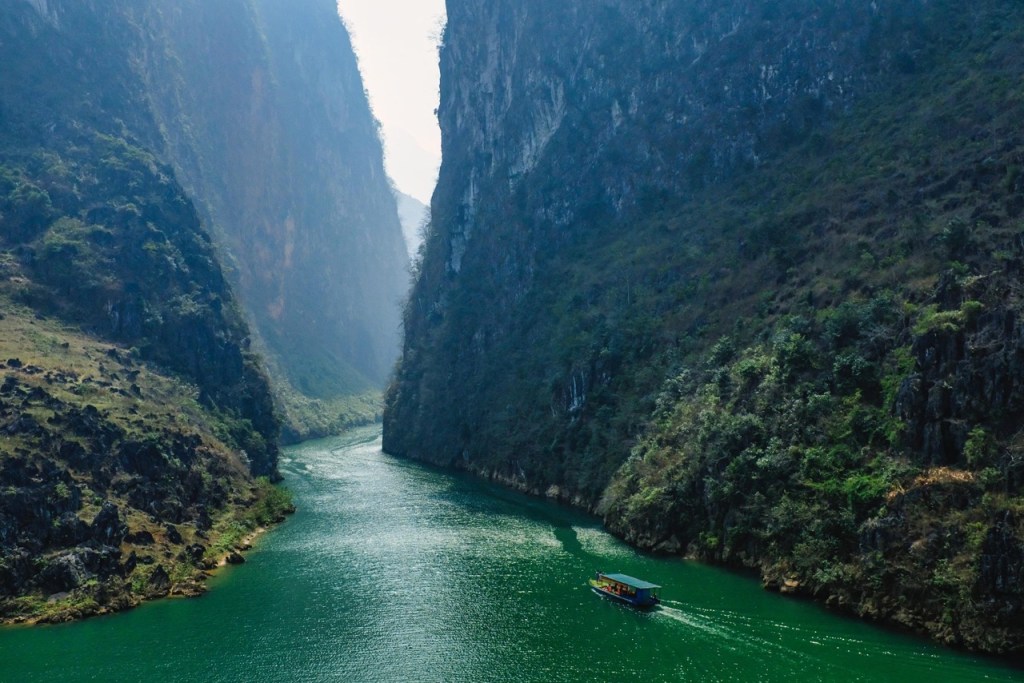
The emerald-green waters of the Nho Que River wind through Ha Giang’s deep valleys, creating one of the most picturesque landscapes in Vietnam. Visitors can take a boat ride on the river to admire the towering cliffs and peaceful surroundings.
Lung Tam Embroidery Village

Lung Tam is a small village known for its traditional Hmong embroidery and textile production. Local artisans use natural dyes and ancient weaving techniques to create intricate fabrics. Visiting the village is a great way to support local craftsmanship and purchase unique handmade souvenirs.
Lung Khuy Cave

Lung Khuy Cave is a hidden gem featuring impressive stalactites and stalagmites of the mountains of Ha Giang. The cave is easily accessible from Quan Ba and offers an adventurous experience for those interested in exploring Ha Giang’s underground wonders.
Quan Ba Heaven Gate

Also known as “Fairy Bosom,” the Quan Ba Twin Mountains are famous for their unique rounded shape. According to local legend, the mountains were formed by a fairy who left behind her breasts to nourish her child. The site between the mountains is not only visually striking but also deeply rooted in local folklore.
>>> For a more detailed Ha Giang travel guide, check out this map here.
The Complete Ha Giang Travel Guide
When to visit Ha Giang?

The best time to visit Ha Giang is autumn (from September to November) and spring (March to May). During these months, the weather is pleasant, and the landscapes are at their most beautiful. The rice terraces turn golden in autumn, while spring brings blooming flowers and lush greenery.
Specific seasons of the year also brings you unique scenery of Ha Giang. For instance, in December, Ha Giang turn into a sea of pink with buckwheat flower fields – also known as “tam giac mach” flower. In March and April, the mountains dusted with pastel pink hues from peach blossoms trees – a peach blossom you can only see on the northern mountains.
How to go to Ha Giang?
Ha Giang is accessible from Hanoi via bus or private car. Overnight sleeper buses are the most common option, taking around 6-7 hours. Travelers can also rent a motorbike in Ha Giang City to explore the province at their own pace.
What to look out for?
Travelers should be prepared for challenging road conditions, especially if they plan to ride a motorbike. It’s essential to check weather conditions before traveling, as heavy rains can make roads slippery. Additionally, respecting local customs and traditions is crucial when visiting ethnic villages.
Travel Ha Giang Responsibly
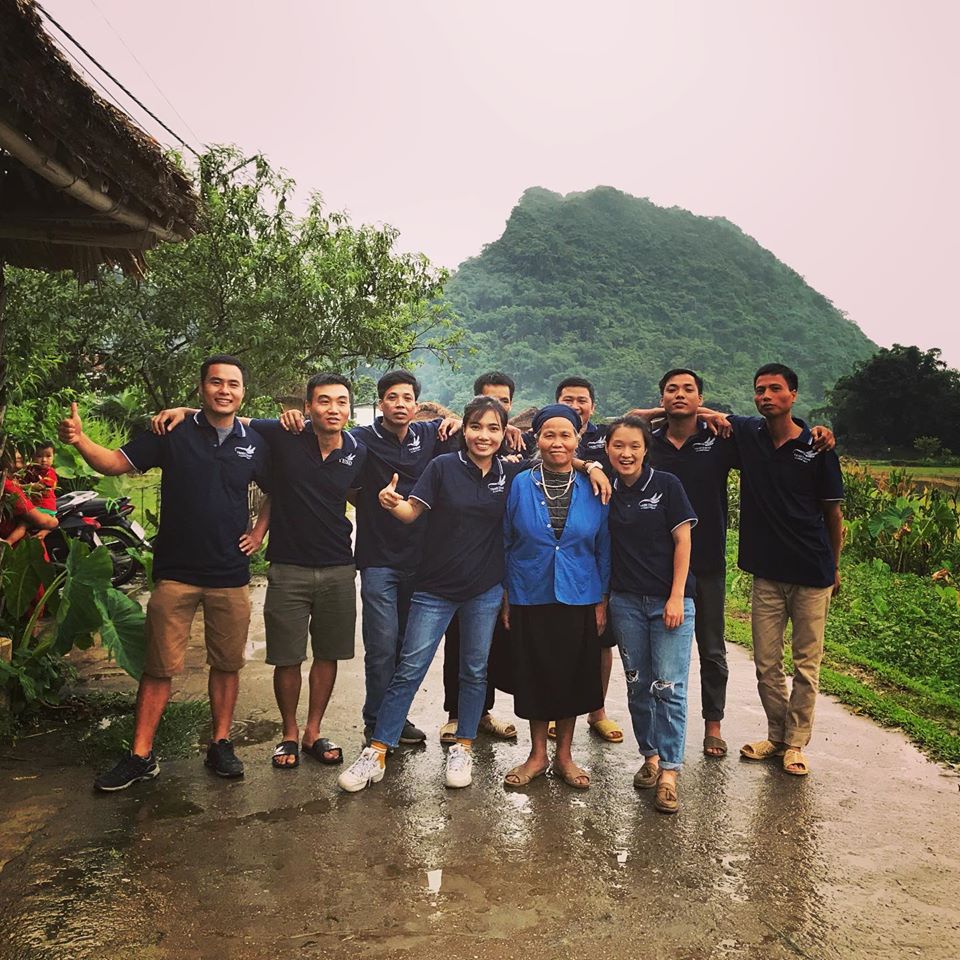
YESD Social Enterprise is a tourism social enterprise dedicated to responsible tourism and community-based travel experiences in Vietnam. The company has operated many community projects in Ha Giang since 2015 and has greatly contributed to developing the region’s responsible tourism future. By choosing YESD, travelers can support local communities, engage in sustainable tourism, and gain deeper insights into Ha Giang’s culture through guided tours and homestays operated by local people.
Conclusion
Ha Giang is a destination that offers a perfect blend of adventure, culture, and natural beauty. Whether you’re exploring winding mountain roads, engaging with local communities, or taking in the breathtaking landscapes, Ha Giang provides an unforgettable travel experience. Explore this Ha Giang travel guide, or plan your trip with us and immerse yourself in the magic of Vietnam’s northernmost province.
 Ha giang responsible tourism