Picture this: the early morning sun barely cresting the jagged horizon, as mist curls lazily around terraced rice paddies.
This is Ha Giang, Vietnam’s northernmost province, where mountains cradle centuries of stories, and each village is a world unto itself. Here, over 20 recognized ethnic groups live and thrive, their customs both rooted in the past and adapted for the present. But what histories do these people hold, and how have they, against the backdrop of political upheavals and shifting economies, preserved their identities?
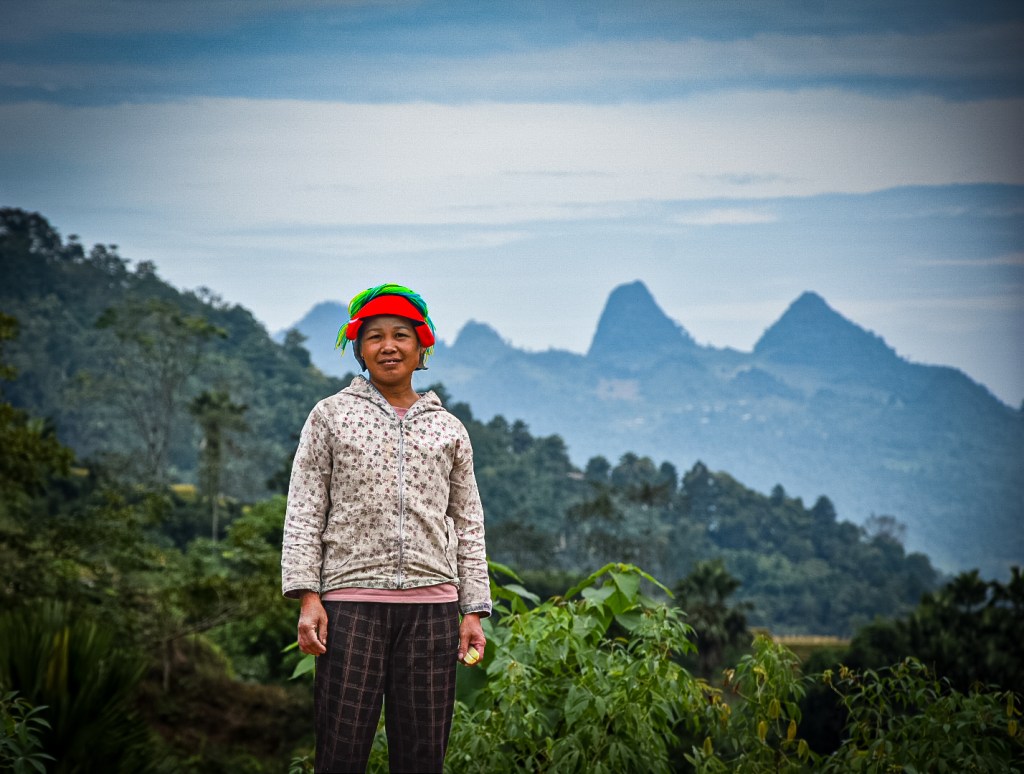
Ha Giang has always been more than a mere geographical marker; it’s been a liminal space where borders blur and cultures collide. Historically, the region served as a crucial gateway between China and the heart of Vietnam, a corridor for trade routes and migration flows. This unique position wove a complex demographic quilt, stitched with threads of displacement, alliances, and intermarriage. Today, each ethnic group brings with it a repository of traditions honed by the land they inhabit—from the precipitous highlands, to the fertile river valleys. In the high-altitude, social practices are bound by the cycles of nature, dictating everything from the timing of festivals to the rotation of crops. Meanwhile, the valleys shelter more integrated and economically dynamic settlements, influenced by both internal and external interactions.
The Hmong People: Guardians of the Mountain Peaks
In the whisper of mountain winds, an elder Hmong recounts the story of their ancestors’ arduous journey from southern China some 300 years ago. The Hmong’s migration was driven not just by the search for land, but by the fierce desire for autonomy. This quest led them to the rugged peaks of Ha Giang, a natural stronghold that has safeguarded their way of life through waves of external influence.
The Hmong’s existence revolves around the art of resilience. Their garments—hand-dyed indigo and embroidered with bright, geometric motifs—are more than just clothing; they are coded histories, each stitch representing an event, a belief, or a meaningful place.
The Hmong New Year, or Tết của người Mông, showcases their deep connection to music and community. The khèn flute becomes not just an instrument, but an extension of the Hmong spirit, used in courtship rituals and competitions that date back centuries.
The Hmong’s steadfastness has been tested by modern pressures: economic shifts, the lure of modernity, and the tourism industry’s encroachment. Yet, in villages where families still gather around open hearths, stories continue to pass from elder to child. The land that cradled their ancestors’ fight for independence now holds the battle for cultural preservation.
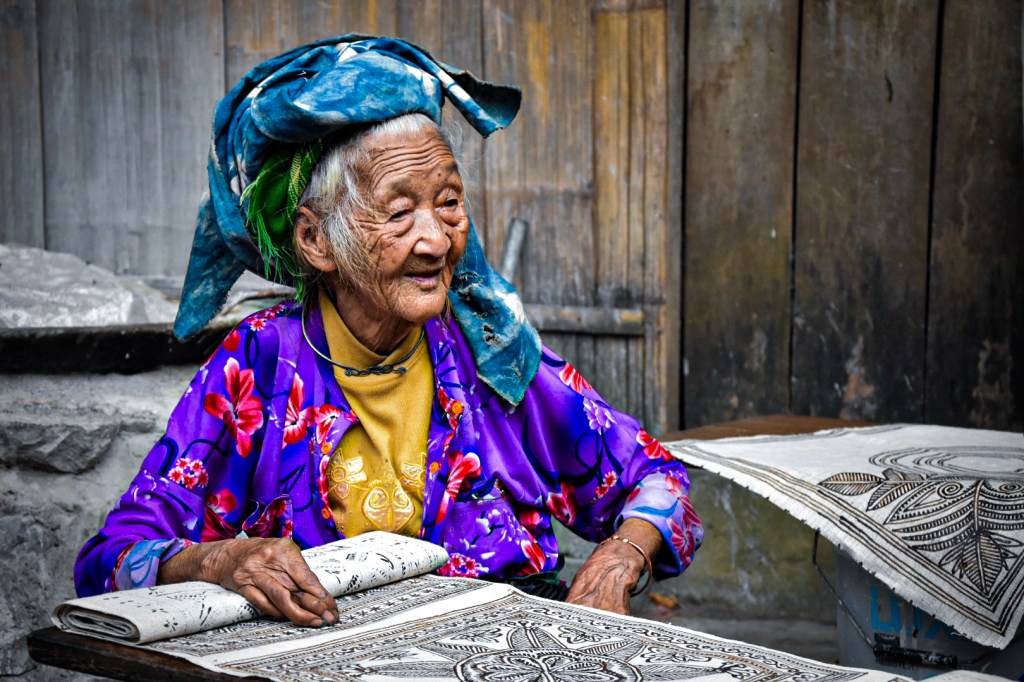
The Dao People: Keepers of Spiritual Heritage
Under a sky speckled with stars, a flickering fire illuminates a Dao cap sac ceremony. The participants, dressed in robes intricately adorned with silver beads and red embroidery, chant rhythmic invocations while the air vibrates with the deep, sonorous sound of ceremonial drums. For the Dao, spiritual life is inseparable from everyday existence, interwoven with their cycles of sowing and harvest.
Migrated from China during the Ming Dynasty, the Dao carry with them a complex spiritual heritage that synthesizes Taoist rituals with local animist beliefs. This fusion manifests in their meticulous altars, where ancestral tablets are kept with reverence and offerings are made to appease benevolent and vengeful spirits alike. Unlike many other ethnic groups in Vietnam, the Dao have maintained an extensive written script—preserved scrolls and texts that detail religious practices, medicinal recipes, and ancient poetry. These are not relics but living documents, used in rites of passage, like the cap sac, that initiate young men into adulthood and affirm their roles as keepers of Dao wisdom.
Scholars and tourists alike have marveled at the Dao’s ability to integrate modern practices with age-old customs. Eco-conscious farming and herbal medicine are not new trends, but rather adaptations of their traditional knowledge, cultivated for centuries in response to the mountain’s bounty and caprices.
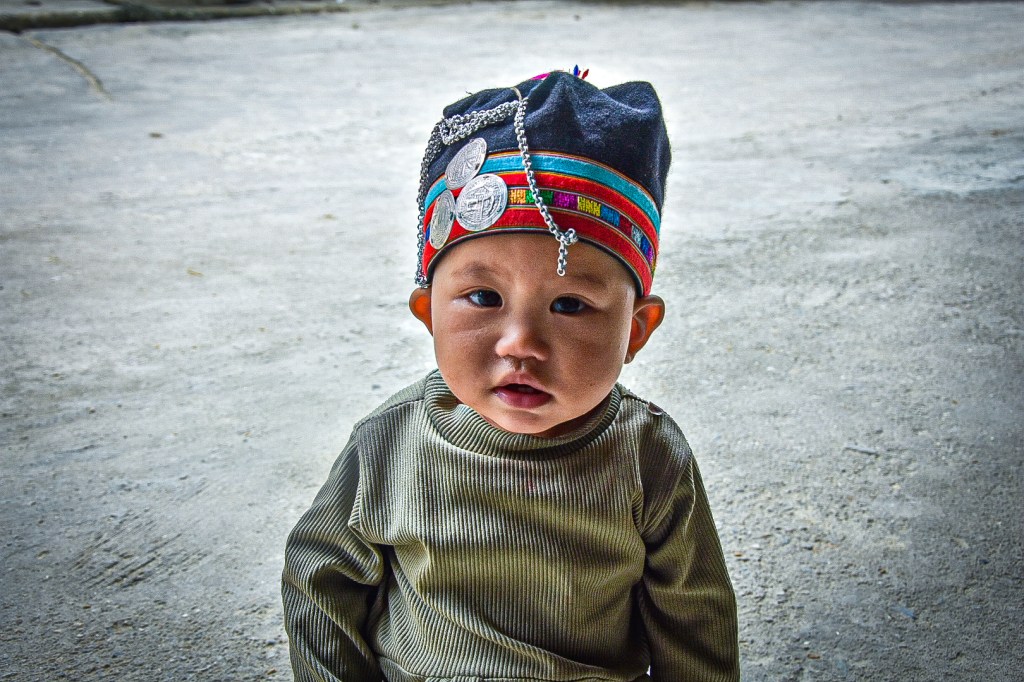
The Lo Lo: Voices of the Ancient Bronze Drums
If you venture deeper into Ha Giang, where the rocky plateaus meet villages seemingly untouched by time, you may hear the deep, resonant boom of a bronze drum echoing across the mountains. The Lo Lo people, one of the smallest ethnic groups in the region, are also among the most intriguing. Their use of bronze drums harks back to the ancient Dong Son culture, renowned for its advanced metallurgical skill and symbolic art.
The drums are more than musical instruments; they are sacred artifacts that connect the Lo Lo to their ancestors. During rain-calling ceremonies or the beginning of planting seasons, the village gathers as the rhythmic pounding reverberates, invoking the spirits of rain and fertility. These moments are more than rituals; they are living testaments to a history that predates written records and recalls an age when communities depended on the rhythms of the earth and sky.
Unlike larger ethnic groups, the Lo Lo face existential threats to their traditions due to their smaller population and isolation. Yet, their commitment to communal living and cultural memory has fostered a resilience that persists through the generations. The very act of playing the bronze drum is a defiance of time, a reminder that in the face of erasure, identity can be amplified, reverberating through the mountains.

The Tay People: Agricultural Innovators of the Valleys
As you descend from the heights into the emerald embrace of Ha Giang’s valleys, you step into the territory of the Tay people. The Tay have long been masters of these fertile lowlands, known for their terraced rice paddies that cascade down mountainsides in precise, green staircases. These fields, reflections of labor and ingenuity, bear witness to the Tay’s deep relationship with the land, a bond that stretches back millennia.
The Tay’s stilt houses, constructed from bamboo and timber, are architectural marvels designed for both practicality and communal living. Below these elevated homes, livestock graze and tools are stored, while above, families share meals and songs that echo into the night. The Tay’s Then singing, a form of music believed to summon deities and spirits, encapsulates their belief in the interconnectedness of life and the sacred.
Historical records suggest that the Tay were among the first inhabitants of northern Vietnam, their presence predating many of the later-arriving groups. Their expertise in wet-rice cultivation laid the foundation for the region’s agricultural development, and their practices of communal aid, known as Pá Cầu, fostered a resilience that withstood both natural and man-made challenges. In a world increasingly fragmented by individualism, the Tay remind us of the strength in shared labor and mutual support.

Modern Challenges
Ha Giang’s ethnic tapestry faces numerous challenges. Globalization, economic development, and the influx of tourism have introduced both opportunities and vulnerabilities. New roads that snake through the mountains bring access to modern markets, but also the risk of cultural homogenization. Traditional garments, once symbols of identity, can become commercialized commodities, diluting their meanings.
Yet, there is hope. Grassroots initiatives and government policies seek to celebrate and preserve the unique cultures of Ha Giang. Projects promoting traditional crafts, educational programs, and heritage festivals aim to safeguard these communities’ rich histories.
Ha Giang’s mountains may seem imposing and silent, but to those who listen closely, they sing with the voices of their people. Each ethnic community—Hmong, Dao, Lo Lo, Tay, and more—embodies a story of survival, celebration, and unyielding identity. In their rituals, songs, and daily practices, the echoes of history find new life, reminding us that even in the farthest corners of the earth, the human spirit endures, vibrant and undeterred.
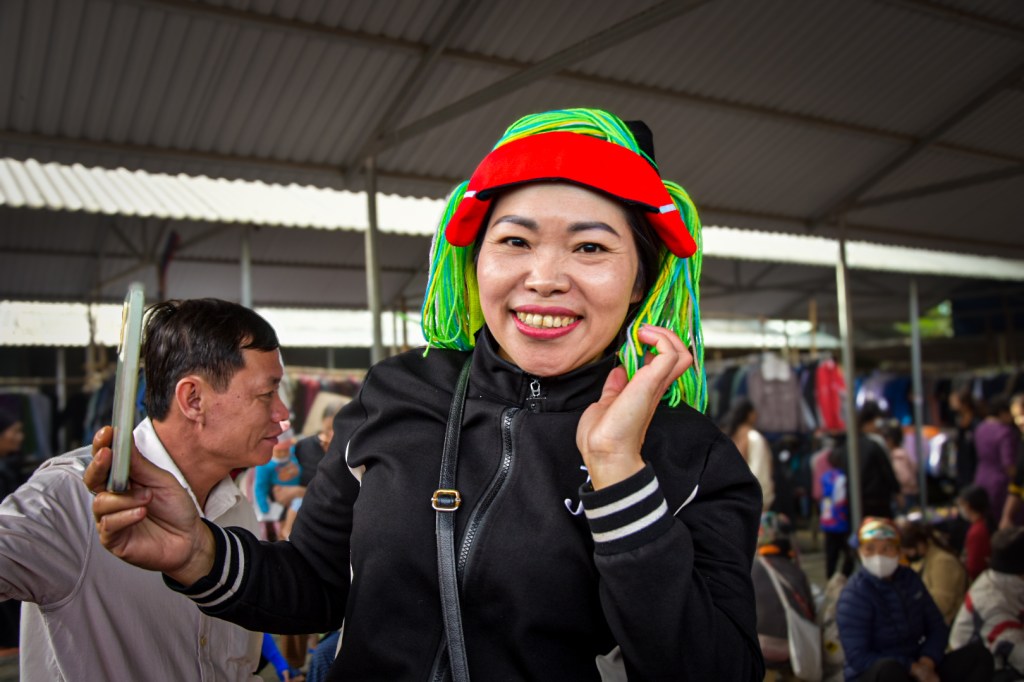
 Ha giang responsible tourism