Why do you need to know the best time to do the Ha Giang Loop
Mountain adventures always sound dreamy in theory — until you’re picturing rain, fog, freezing mornings, and socks that never quite dry out. So let’s cut to the chase: what’s actually the best time to do the Ha Giang Loop? I did the digging so you don’t have to gamble your trip on a guess.
The Ha Giang Loop is one of northern Vietnam’s most iconic rides, winding through Yen Minh, Dong Van, and Meo Vac along dramatic passes and highland scenery. But the season you choose can turn this into either a dream road trip or a soggy negotiation with your own life choices.
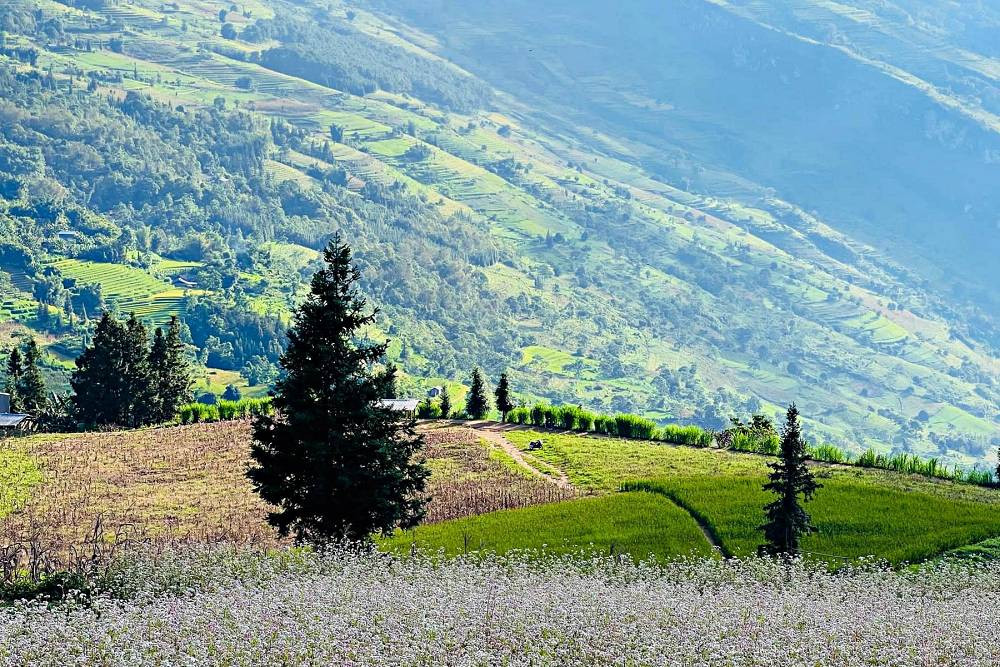
Why the Season You Pick Actually Matters
This Isn’t a Casual Sunday Drive
The loop crosses steep passes, narrow roads, and high viewpoints where weather flips fast — a clear morning can turn into thick fog by lunchtime, especially up high.
Same Scenery, Very Different Experience
The mountains look gorgeous year-round, but your comfort, visibility, and riding confidence change enormously depending on the month. That’s really what “best time” comes down to.
Quick Seasonal Snapshot
| Season | Feel | Best For |
|---|---|---|
| Spring (Mar–May) | Mild, fresh, social | Easy riding, blossoms |
| Summer (Jun–Aug) | Lush, humid, rainy | Green scenery, adventurous riders |
| Autumn (Sep–Nov) | Cool, golden, clear | Rice terraces, mountain views |
| Winter (Dec–Feb) | Cold, quiet, misty | Fewer crowds, peaceful roads |
If you’re asking about the single best time to visit Ha Giang Loop for scenery and road conditions combined, autumn usually wins. But every season has its own personality worth considering.
Spring (March–May): The Easy-Riding Favorite
Why Spring Works So Well
Temperatures hover around a comfortable 18–25°C, roads are drier, and visibility is more reliable — genuinely useful when you’re navigating sharp bends and steep drops.
Blossoms and Backpacker Energy
Peach and plum blossoms dust the hillsides in soft pink and white, and guesthouses fill up with travelers swapping route tips and Easy Rider stories (which somehow get more dramatic after the second beer).
Who Spring Suits Best
First-timers, photographers, and anyone who wants a balanced trip without extreme heat or nonstop rain.
Summer (June–August): Green, Wild, and a Little Unpredictable
The Upside: Lush Everything
Rice terraces turn a vivid green after rainfall, and the whole landscape feels wilder and more alive. Early June is the sweet spot — green scenery without the worst of the rain yet.
The Downside: Rain Doesn’t RSVP
July and August bring sudden downpours, slippery corners, and visibility that can vanish without warning. Pack waterproofs, protect your electronics, and build extra time into every leg of the ride.
Who Should Ride in Summer
Confident, adventurous riders who don’t mind rerouting on the fly. If wet mountain roads make you nervous, this is a great season to hire an Easy Rider instead of self-driving.
Autumn (September–November): Arguably the best time to do the Ha Giang Loop
Why Autumn Takes the Crown
Cooler air, clearer skies, and golden rice terraces as harvest season approaches — this is the stretch most people mean when they talk about the best time to visit Ha Giang Loop.
The Golden Window
Late September into early October usually delivers the best mix of mature rice fields, pleasant temperatures, and sharp visibility. Hoang Su Phi, Yen Minh, and the Dong Van Karst Plateau are prime viewpoints — just book ahead, because plenty of other travelers have seen the same photos and had the same idea.
What to Do With All That Golden Light
Sunrise rides, long photography stops, village visits — autumn is comfortable enough to spend real hours on the road each day without wearing yourself out.
Winter (December–February): Cold, Quiet, and a Little Cinematic
The Appeal of the Off-Season
Fewer tourists, quieter roads, and morning fog that gives the whole route a moody, atmospheric feel.
What You’re Signing Up For
Temperatures can drop to 5–15°C at higher elevations, and fog can seriously limit morning visibility. Thermal layers, gloves, and proper rain protection aren’t optional — a single hoodie will not save you up there.
Who Winter Is For
Travelers who care more about peace and atmosphere than warmth, and who don’t mind bundling up like it’s a personal challenge.
If You’re Chasing Specific Scenery
Golden Rice Terraces
Aim for September into October, when the fields ripen and contrast beautifully against the green mountains and pale sky. Ask local guides about harvest timing, since it shifts slightly year to year.
Peach and Plum Blossoms
Look to February and March, when the hillsides and village roads soften with pink and white blooms.
Buckwheat Flowers
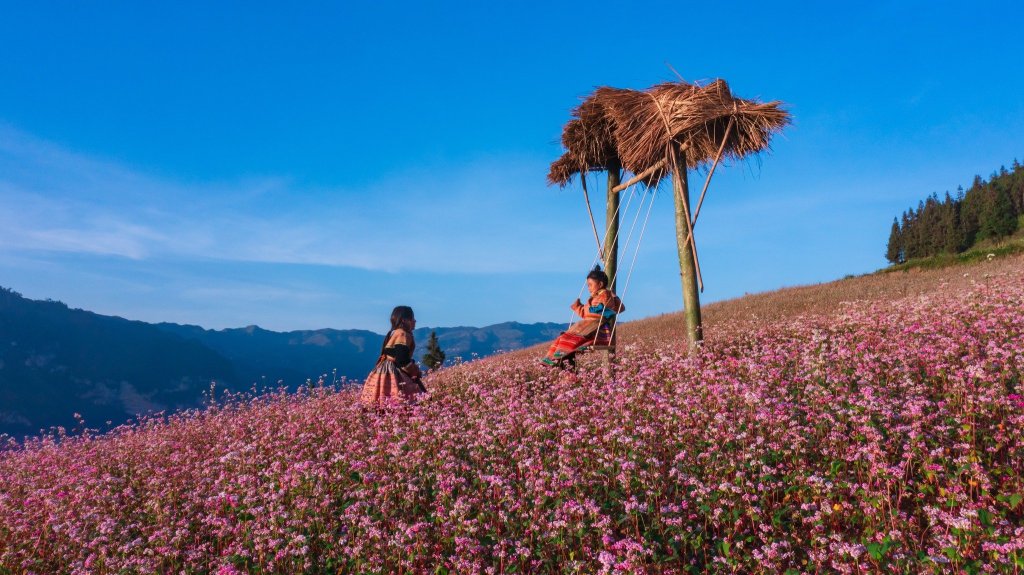
These usually bloom around October and November, painting patches of the highlands in pink and purple. Early November tends to be a bit less crowded than peak October.
The Toughest Months to Ride
Why July and August Are the Wild Card
Heavy rain, slippery corners, sudden fog, and occasional landslides make these the trickiest months on the route. Some experienced riders still love the dramatic green scenery — but if you’re new to motorbikes, this probably isn’t the season to test your nerve against both rain and mountain passes at once.
The Easy Rider Workaround
Letting a local driver handle the bike is a genuinely smart move in wet conditions, especially for first-timers or anyone unsure about riding in the rain.
A Note on Tet (Vietnamese New Year)
Tet is one of the busiest travel windows in the country, and transport, accommodation, and motorbike rentals can book out fast. If your trip lands during Tet, spring, or autumn, lock in your bookings weeks ahead — showing up with just a backpack and good vibes is a bold strategy, not a plan.
How to Prepare, Whatever Season You Pick
Pack for All Four Seasons in One Day
Layers, waterproofs, gloves, sunscreen, and solid shoes — the mountains can serve up sun, wind, mist, and rain within a single afternoon.
Check In Locally Each Morning
Forecasts help, but homestay hosts and guides usually have the real-time scoop on fog, landslides, and road closures.
Choose the Right Tour Style
A guided trip or Easy Rider package takes the guesswork out of routes, meals, and safety. Independent riders get more flexibility, but should have real experience and realistic expectations of mountain roads.
So, What’s the best time to do the Ha Giang Loop?
If I had to pick one window, it’s late September to early November — the strongest overall mix of scenery, comfort, and road conditions, and honestly my answer whenever someone asks about the best time to visit Ha Giang Loop. Spring is a close second for easier riding and blossoms. Want lush green over golden fields? Early June. Craving empty roads and misty mornings? Winter delivers, as long as you pack like you mean it.
Final Thoughts
The Ha Giang Loop wears a different personality every season — blossoms in spring, jungle-green in summer, gold in autumn, and quiet mist in winter. There’s no universally “wrong” time, just different flavors of unforgettable. Pick the version that matches what you’re chasing, pack for changing weather, and never underestimate a good jacket. However you time it, you’ll come home with sore legs, great stories, and a phone full of photos that don’t quite do it justice.
Book your Ha Giang Loop tour here!


Pingback: The Best Ha Giang Loop Tour For First Timer | Ha Giang responsible tourism